
Tetelestai
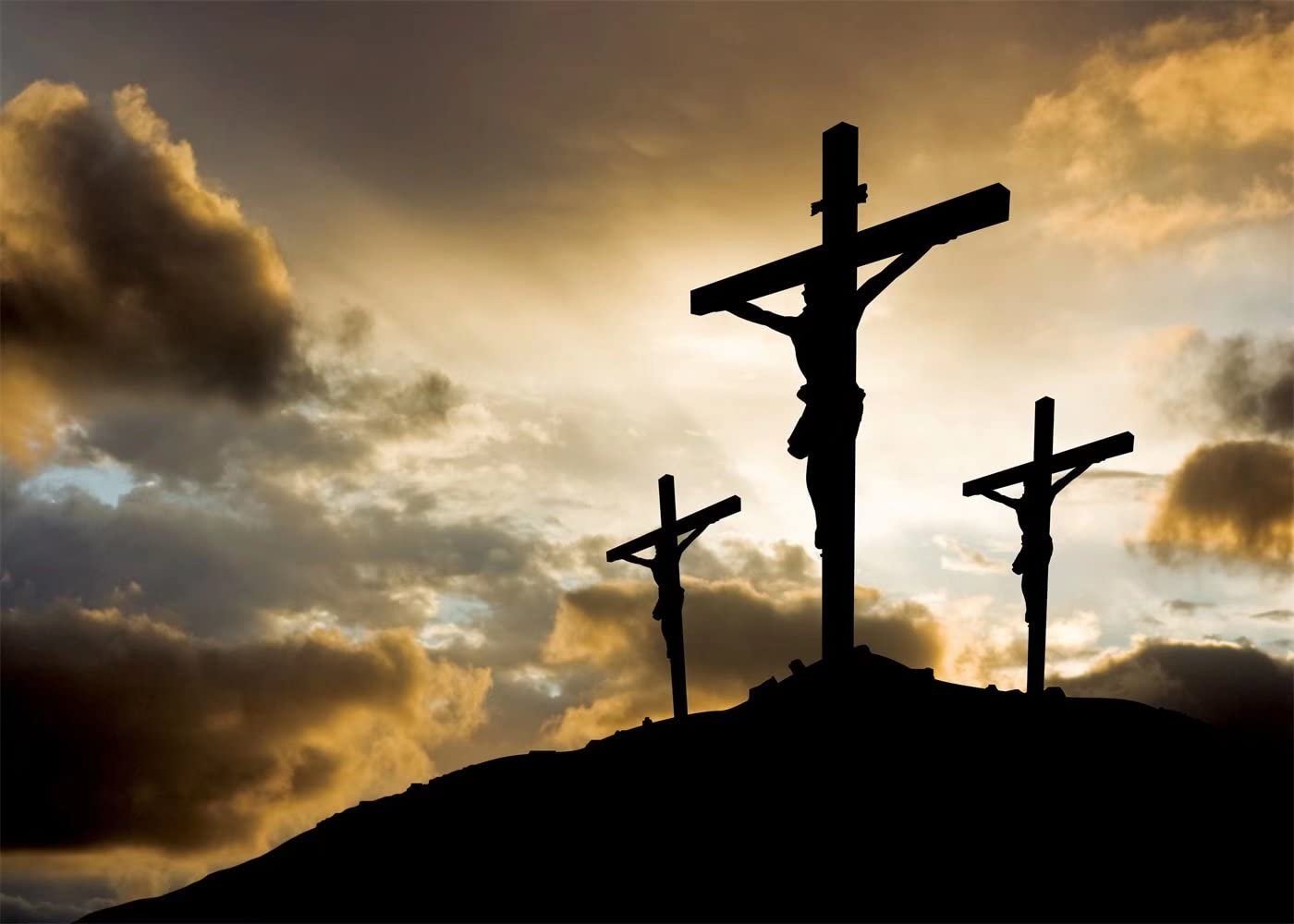
I recently watched a video by Josh Howerton that described the word ‘tetelestai’ which is the Greek word for what we read in our bible as Jesus’ final words, “It is finished.” I was so intrigued by the video’s content, I had to do a little research for myself, which led me down several paths of word history and meanings. So, before I tell you about the video, let’s do a little grammar lesson.
Do you remember learning about verb tenses in school? I do…vaguely…so I had to look it up. The “past simple” tense of a verb is used to describe an action completed in the past, for example “I ate dinner last night.” The “past perfect” tense is used to indicate that an action occurred before another past action, for example “After I ate dinner last night, I went for a walk.” I know this is confusing, but bear with me. ‘Tetelestai’ comes from the verb ‘teleo,’ which means "to bring to an end, to complete, to accomplish." ‘Tetelestai’ is the past perfect tense of that verb, ‘teleo.’ So, when Jesus spoke it on the cross, it refers to an action occurring before other actions to come. Think about that for a minute. “It is finished…” not just that day over 2000 years ago, but because He is the Living God, it is finished today and it will still be finished tomorrow. WOW!
If that doesn’t blow you away, let’s get back to the video. Josh said the word ‘tetelestai’ has more meanings than just the business context of a debt being paid in full. We’ve heard it said many times, “Jesus paid the ultimate price. My debt is paid because He died for me.” Back in the day, a farmer could go to the general store and pick up supplies and the store owner would put it on his ticket if he didn’t have any cash. When the farmer was able, he would pay the store what he owed. His account was marked, “paid in full.”
‘Tetelestai’ was also used in a judicial context, signifying that a sentence had been fully served. Not like, “you’re on probation, come back in 90 days” served; no, it was used to fully exonerate, meaning no other punishment was necessary. Josh went on to say that ‘tetelestai’ was also used in a military context, meaning that a battle had been won and victory was received. Can you see where this is going?
I will quote how Josh finished the video, because I cannot say it any better. “When Jesus hangs on the cross and He cries out “Tetelestai,” “It is finished,” He was declaring the debt of your sin is fully paid, the judgement for your sin has been fully served, and the spiritual war against death, sin and Satan has been completely won in Christ.”